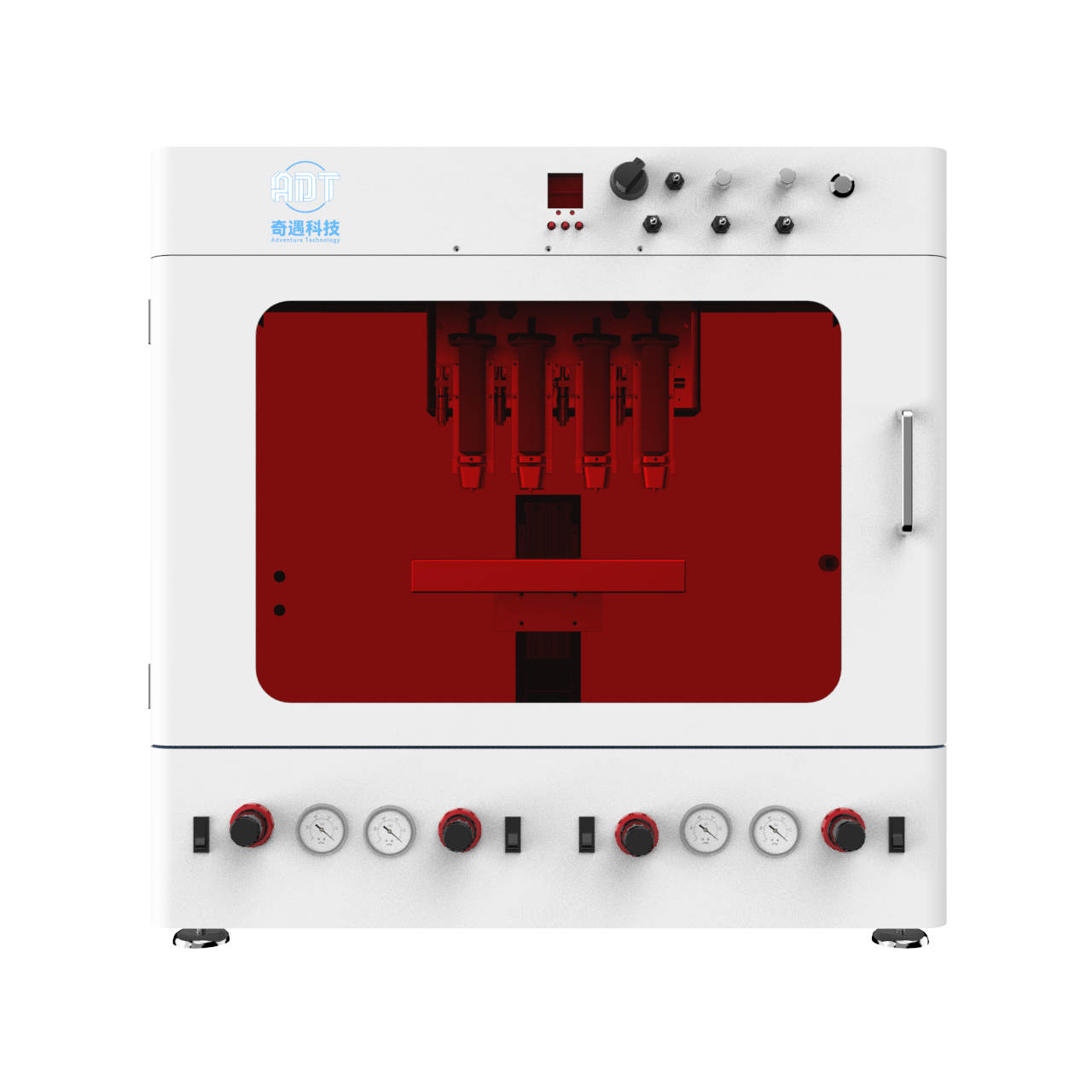
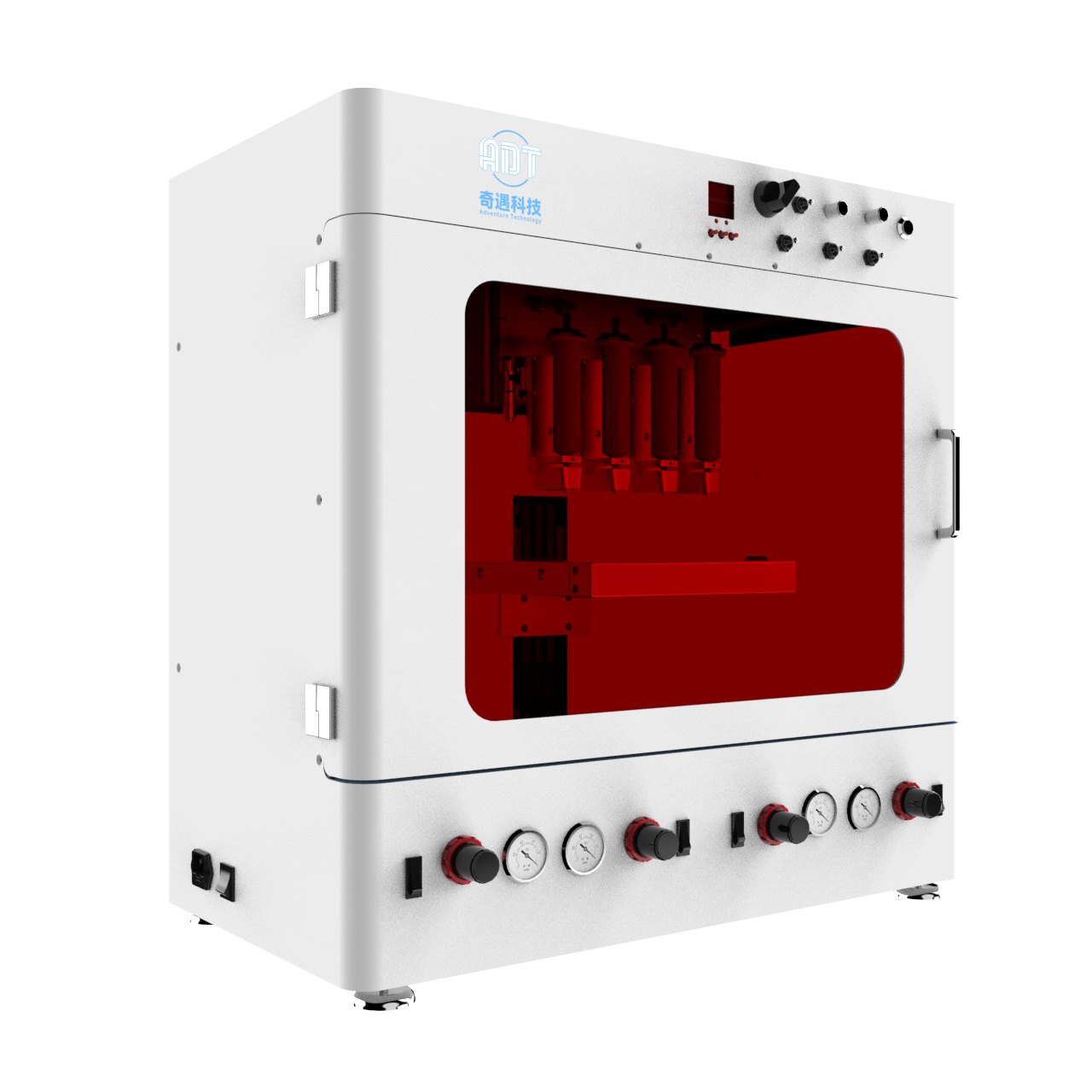
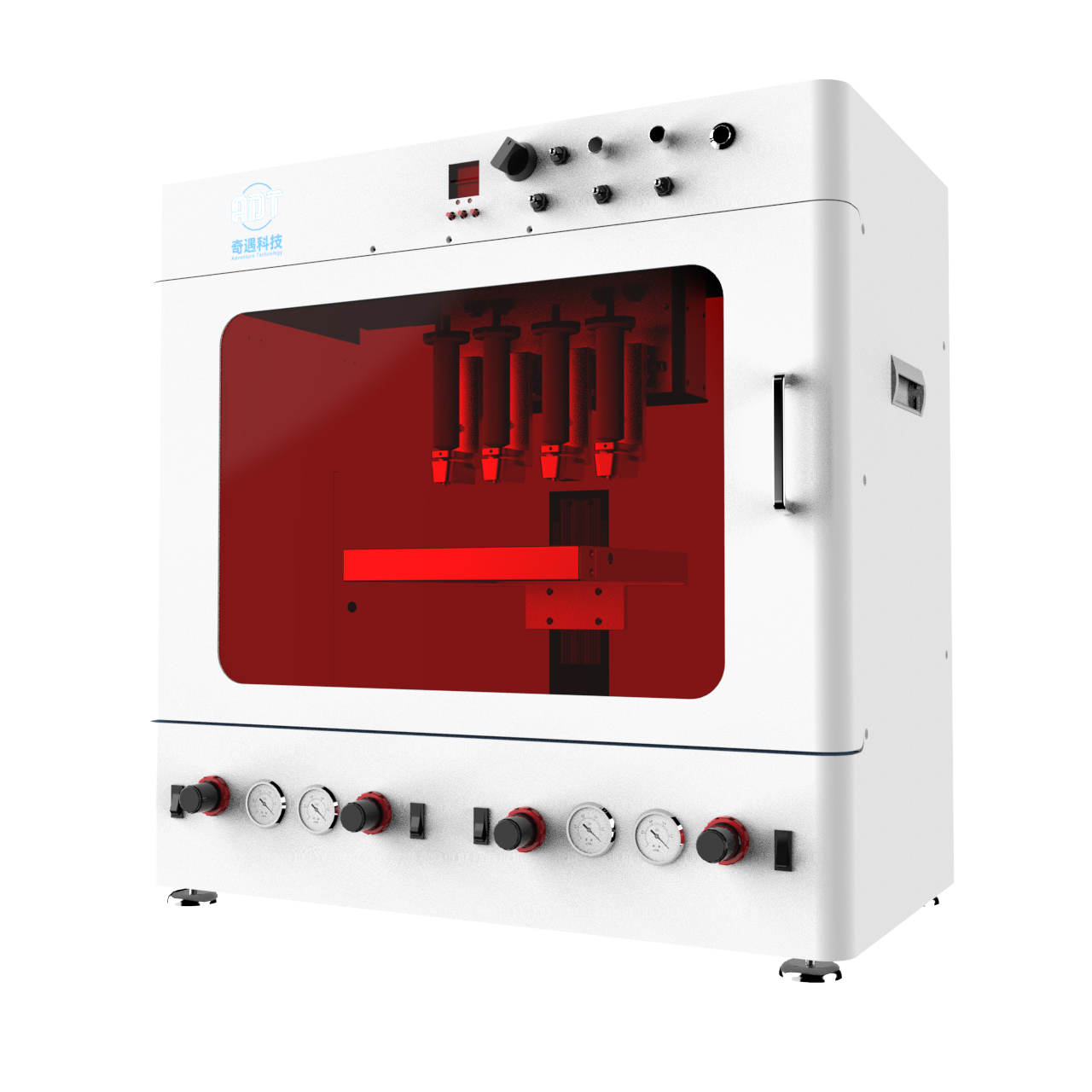
Direct Writing 3D Printer Plus Version

  • 1

    Intelligent 3D/4D Print Path Planning

    Self-developed “ADT-Slicer” and “CAD-Slicer” software for easy 3D and 4D printing.

  • 2

    Multi-Material Printing

    Four nozzles enable the use of more materials for printing and research.

  • 3

    More Custom Options

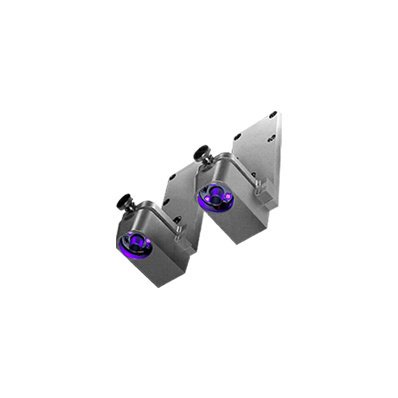
    Choose from various print head types, CCD panoramic cameras, UV sterilization, and filtration systems for tailored configurations.

Why Choose Our Ceramic 3D Printing Solutions

Precision Printing

Precision Printing

Achieve unparalleled accuracy in ceramic 3D printing for complex geometries and intricate designs.

Dental Printing

Dental Printing

Create precise dental restorations, implants, and prosthetics with advanced ceramic 3D printing.

Medical Ceramics

Medical Ceramics

Produce biocompatible ceramic components for medical implants and surgical tools.

High-Quality Materials

High-Quality Materials

Utilize advanced ceramic materials for durable and high-performance components.

Eco-Friendly

Eco-Friendly

Sustainable printing methods reduce waste and environmental impact.

Versatile Applications

Versatile Applications

From aerospace to medical, our technology supports diverse industry needs.

Product Introduction

Product Introduction

Self-Developed Control Software

Self-Developed Control Software

Equipped with our proprietary ADT-Slicer software for precise control, allowing for "one-stroke forming" to achieve efficient and stable printing results. Paired with the CAD-4D printing engine for easy implementation of 4D printing.
Supports Multi-Material Printing

Supports Multi-Material Printing

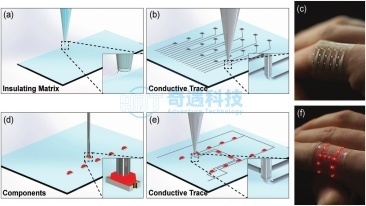
Supports multi-material printing, ideal for material research in academic settings. Capable of printing biological tissues, cells, biocompatible materials, and ceramics. Users can select various material combinations for material validation and performance testing in research projects, flexibly meeting laboratory printing needs.
Multi-functional Extrusion Nozzle

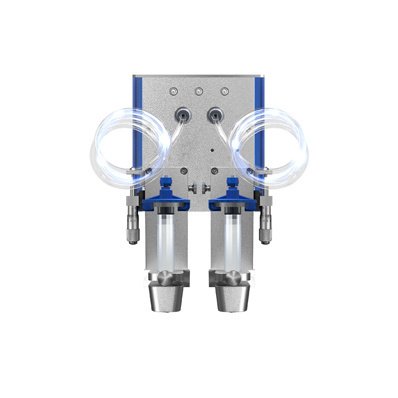
Multi-functional Extrusion Nozzle

The multifunctional extrusion nozzle combines three features: high-precision pneumatic control, localized heating of the print head, and UV light curing. It supports stable extrusion of various materials, meeting researchers' needs for different materials in experiments and ensuring efficient and stable material deposition.

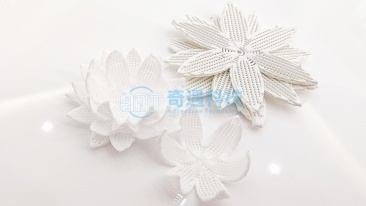
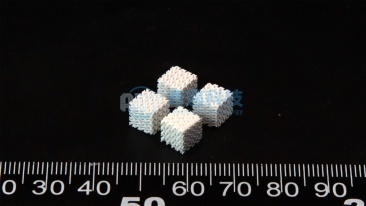
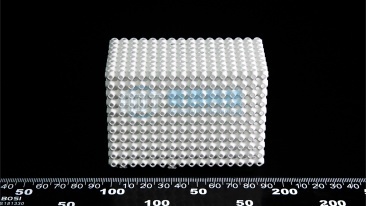
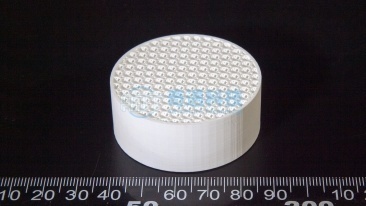
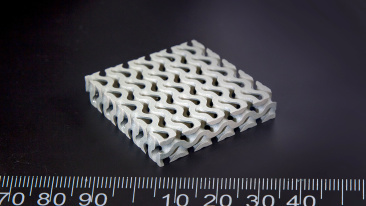
Printing Case

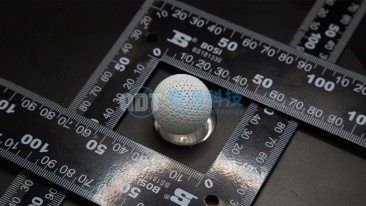
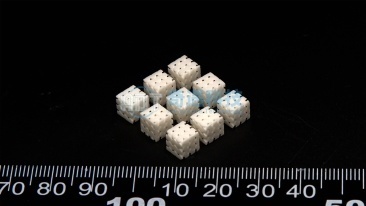
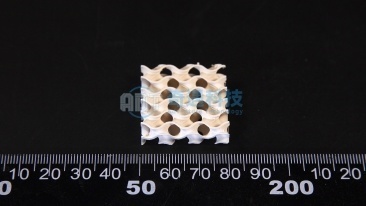
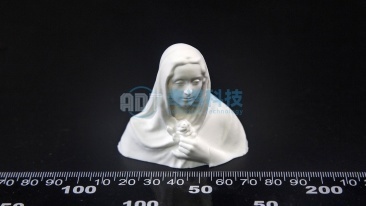
For more case and model information, please contact us
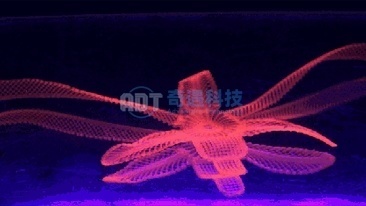
Ceramic 4D Printing
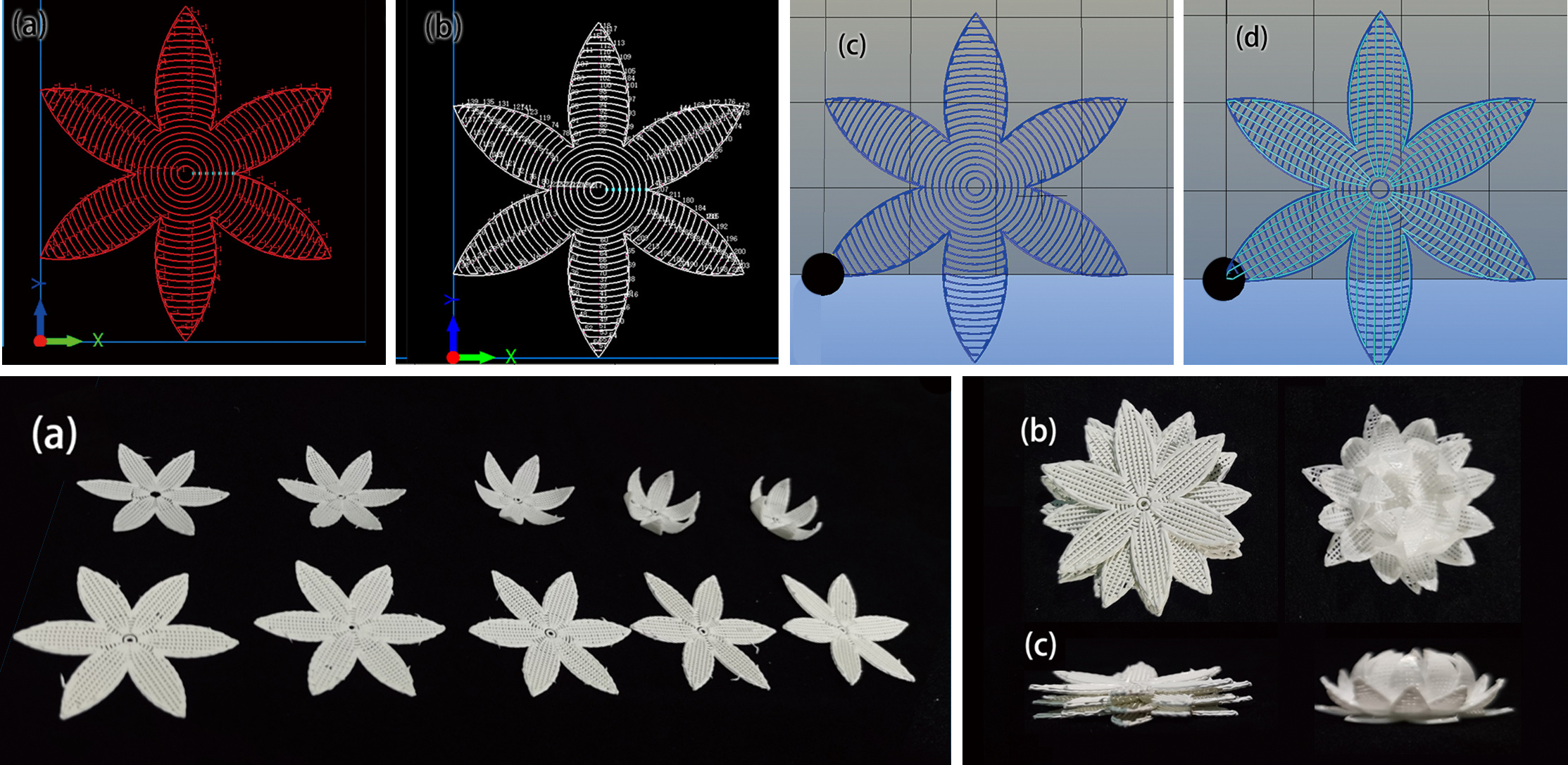
Ceramic 4D Printing

Constructing Magnetic Field Controlled 4D Photonic Crystals

Magnetic Field-Controlled 4D Photonic Crystals via Adventure-3D-LB-Printer Fine Direct Write 4D Printing
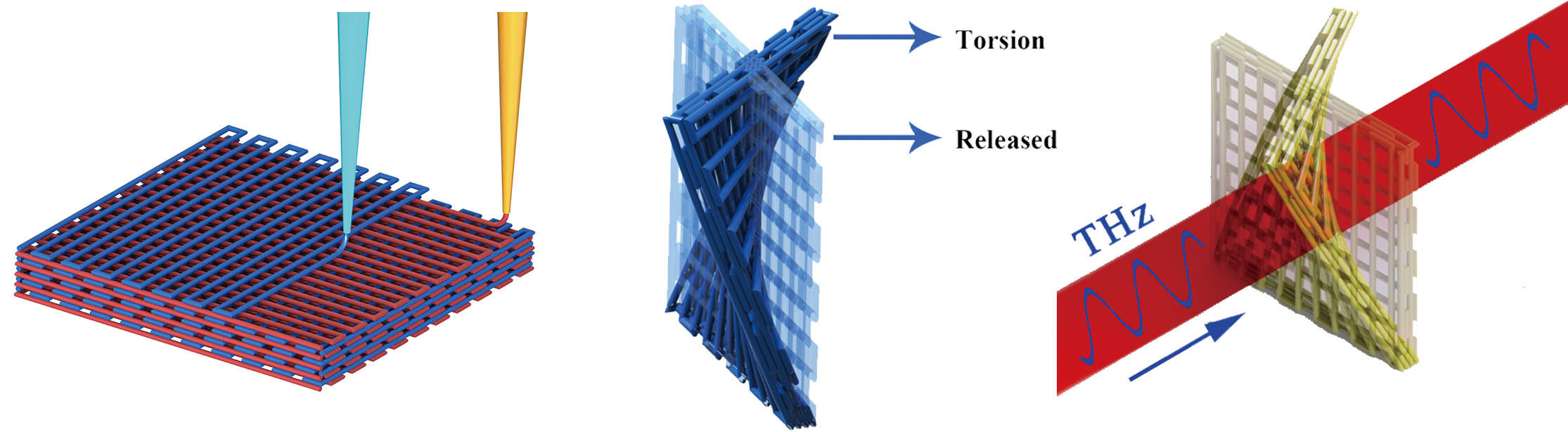
Constructing Magnetic Field Controlled 4D Photonic Crystals

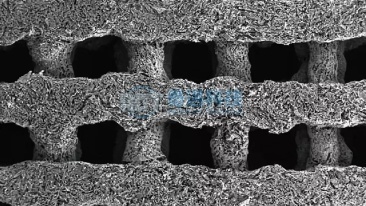
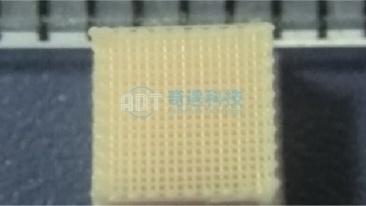
Constructing μm-Scale THz Photonic Crystals

μm-Scale Photonic Crystals Fabricated by Adventure-3D-LB-Printer Fine Direct Write 3D Printing
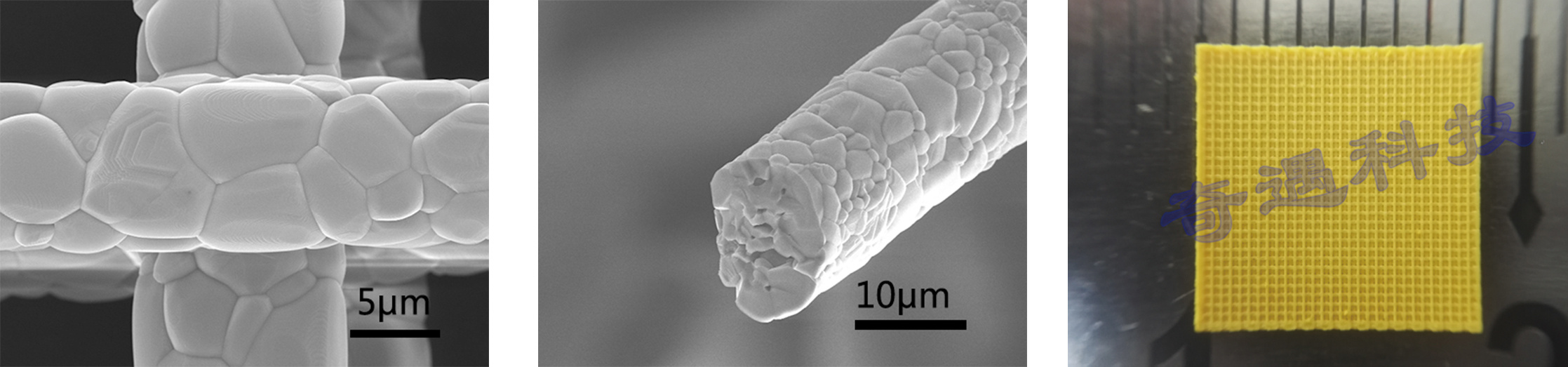
Constructing μm-Scale THz Photonic Crystals

FAQ: 3D Ceramic Printer

The system is engineered for non-Newtonian fluids. To ensure printability and self-supporting capability, the slurry should exhibit distinct shear-thinning behavior and a high yield stress. We typically recommend a ceramic solid loading of 45 vol% to 60 vol% to guarantee that the green body retains its shape immediately after extrusion.

The system features a standard Luer-lock interface, supporting high-precision dispensing needles ranging from 100 $mu$m to 1.5 mm. Under optimal laboratory conditions and with highly viscous materials, the minimum stable extrusion layer thickness can reach approximately 0.1 mm, depending on the particle size and rheological stability of your material.

The Basic Version utilizes a high-precision pneumatic extrusion system. This setup offers an excellent instantaneous flow response, making it ideal for materials with a viscosity range of 10^2 to 10^6mPa·s. For ultra-high viscosity pastes requiring extreme volumetric precision, we can provide customized mechanical screw-driven assistance components upon request.

Thanks to the continuous extrusion nature of DIW technology, the relative density of the green body typically reaches 55% to 65% after optimizing slicing paths and overlap rates. Following standard debinding and sintering post-processing, the final sintered part can achieve a theoretical density of over 98%.

Yes, this model is equipped with a precision heated bed capable of reaching up to 80°C (or higher depending on custom configurations). The heated platform effectively promotes controlled solvent evaporation and minimizes internal stress accumulation, preventing warping or inter-layer cracking during the printing of large or thick-walled ceramic parts.

We provide dedicated slicing parameter recommendations optimized for DIW processes. By precisely matching the extrusion pressure with the movement speed (E-steps adjustment), micro-pore sizes, pore distribution, and strut diameters can be controlled at the micron level to meet strict tissue engineering or catalyst carrier standards.

The standard DIW Basic Version is configured as a single-nozzle system. However, its modular architecture allows for multi-nozzle upgrades. Combined with specific control software, it can be adapted to achieve the alternating printing of heterogeneous materials or Functionally Graded Materials (FGM).

For highly abrasive advanced technical ceramic slurries, we highly recommend using hardened steel needles or ruby-tipped nozzles. This significantly extends the nozzle lifespan and ensures consistent extrusion diameter and flow rate during long-cycle print jobs.

    Consult Now

    If you are interested in our products, please leave your email and we will contact you as soon as possible, thank you!