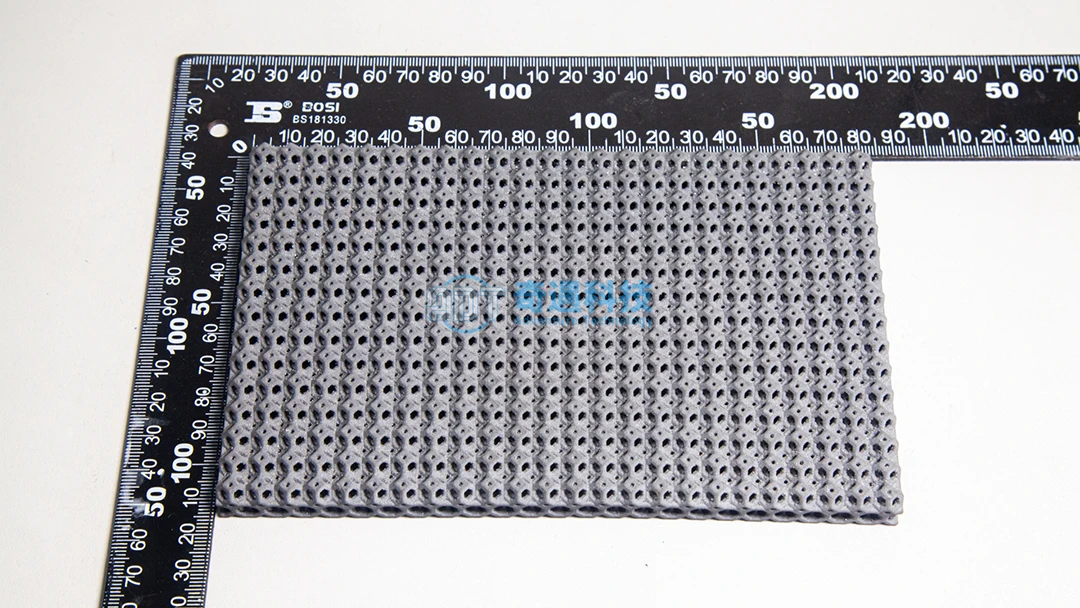
To understand this behavior, it is essential to examine atomic bonding, microstructure, and crack propagation mechanisms. In addition, recent advances such as ceramic matrix composites are helping engineers overcome these inherent limitations.
As a result, modern high performance ceramics are becoming more reliable in demanding industrial applications.
Why Are Ceramics Brittle? Fundamental Causes
Strong Ionic and Covalent Bonding
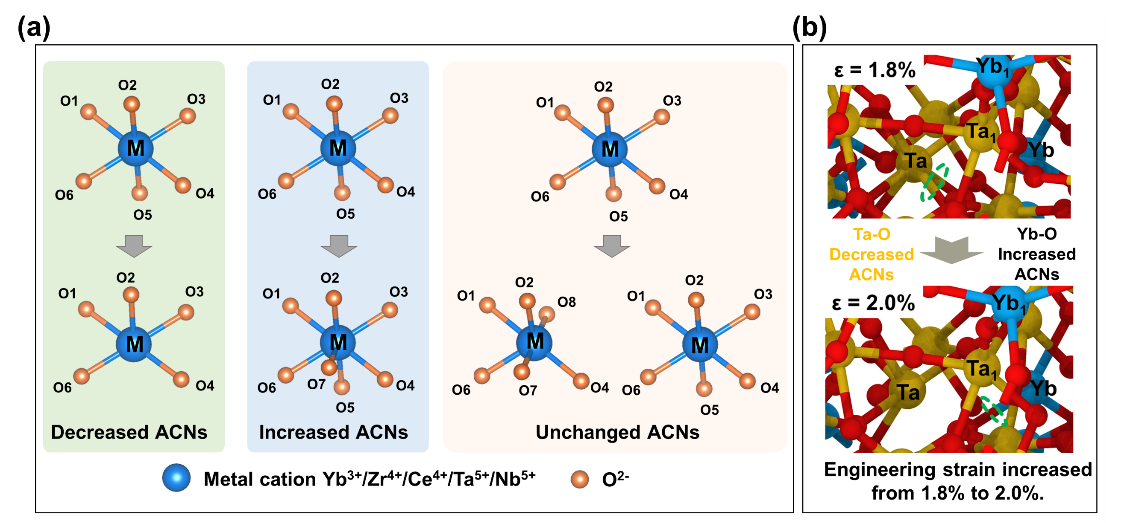
First, ceramics are dominated by strong ionic and covalent bonds, which are highly directional. Because of this, atoms cannot easily slide past each other, unlike in metallic systems.
Consequently, ceramics resist deformation but fail abruptly once the stress exceeds a critical threshold.
Lack of Plastic Deformation
Moreover, ceramics exhibit very limited dislocation mobility. Without sufficient plastic deformation, stress cannot be redistributed effectively.
Therefore, stress tends to concentrate at defects, significantly increasing the likelihood of fracture.
Presence of Micro-Defects
In practice, real ceramic materials always contain microstructural imperfections such as pores, inclusions, and microcracks.
Crack Behavior in Ceramics
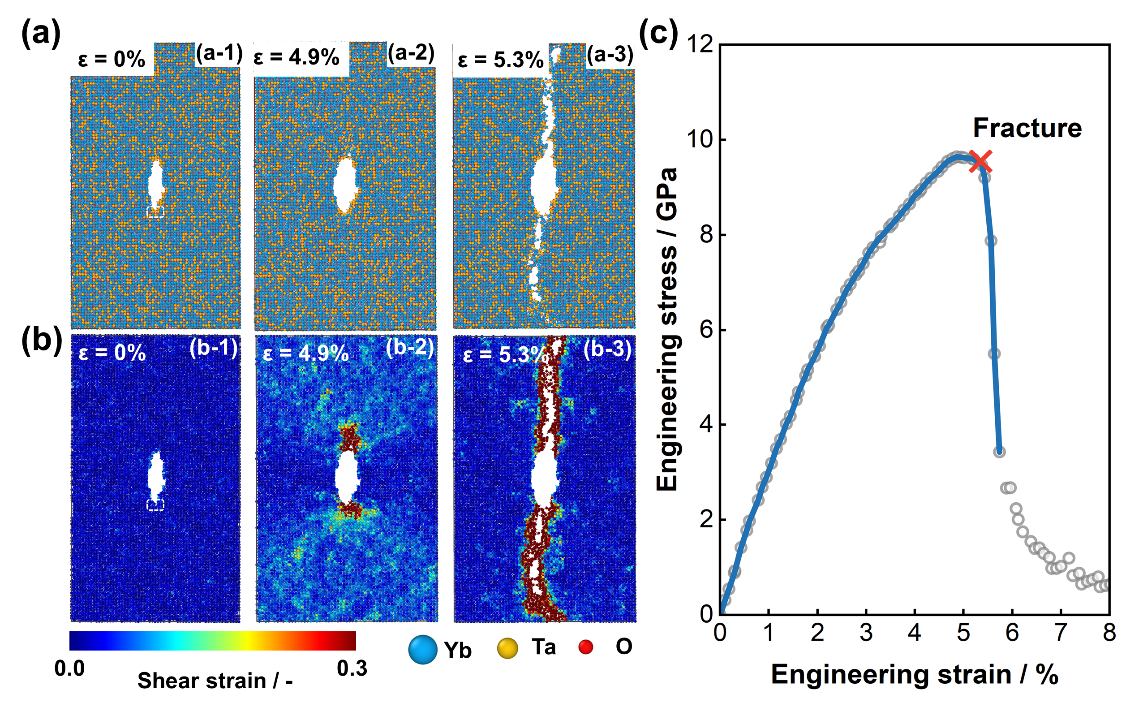
The brittleness of ceramics is fundamentally linked to crack initiation and propagation mechanisms. In particular, the absence of plastic deformation plays a critical role.
Crack Initiation
Typically, cracks originate at grain boundaries, pores, or surface defects where stress concentration is highest.
Rapid Crack Propagation
Once a crack forms, it propagates rapidly. This is because there is no plastic zone to blunt the crack tip.
As a result, failure occurs suddenly and without significant warning.
Energy-Based Fracture (Griffith Theory)
From an energy perspective, crack growth occurs when the energy release rate exceeds the material’s fracture resistance.
Ceramic Matrices and High-Performance Ceramics
Modern ceramic matrices are engineered to improve performance by controlling microstructure and defect distribution.
Advanced high performance ceramics include:
- Alumina-based ceramics
- Zirconia-toughened ceramics
- Silicon carbide (SiC)
- Silicon nitride (Si₃N₄)
These materials are widely used in aerospace, electronics, and energy applications due to their superior mechanical and thermal properties.
Toughening Methods: How to Reduce Brittleness
To address brittleness, several advanced toughening strategies have been developed. Among them, composite design and microstructure control are particularly effective.
Ceramic Matrix Composites (CMCs)
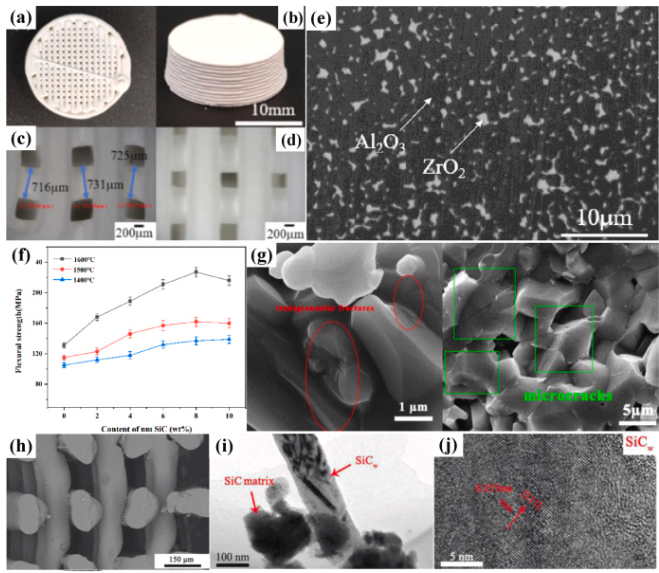
For example, ceramic matrix composites introduce fibers or secondary phases that absorb energy during crack propagation.
Crack Deflection and Bridging
In addition, cracks can be deflected or bridged by reinforcements, which increases fracture resistance.
Transformation Toughening
Meanwhile, materials such as zirconia undergo stress-induced phase transformation, thereby absorbing energy and slowing crack growth.
Microstructure Engineering
Finally, optimizing grain size and grain boundary distribution further enhances resistance to crack propagation.
ADT Ceramic 3DP: Engineering Tougher Ceramic Materials
ADT Ceramic 3DP specializes in advanced ceramic 3D printing technologies and material systems designed to address brittleness challenges.
ADT provides:
-
- Optimized ceramic slurry formulations
- Precision microstructure control via DLP printing
<li>Customized solutions for advanced ceramic materials
By integrating material science and additive manufacturing, ADT enables the production of more reliable and durable high performance ceramics.
Conclusion
Understanding why ceramics are brittle requires examining atomic bonding, microstructure, and crack behavior. While brittleness is an inherent characteristic, modern engineering approaches such as ceramic matrix composites and microstructure optimization are significantly improving performance.
As technology advances, advanced ceramic materials will continue to expand their role in demanding industrial applications.
AdventureTech (ADT) provides DLP ceramic 3D printing systems, compatible high-solid-loading slurries, and technical support for developing and optimizing such composite bioceramics. Researchers interested in replicating or extending these workflows can explore compatible equipment and materials through https://qiyu.hiweishao.com.
More articles
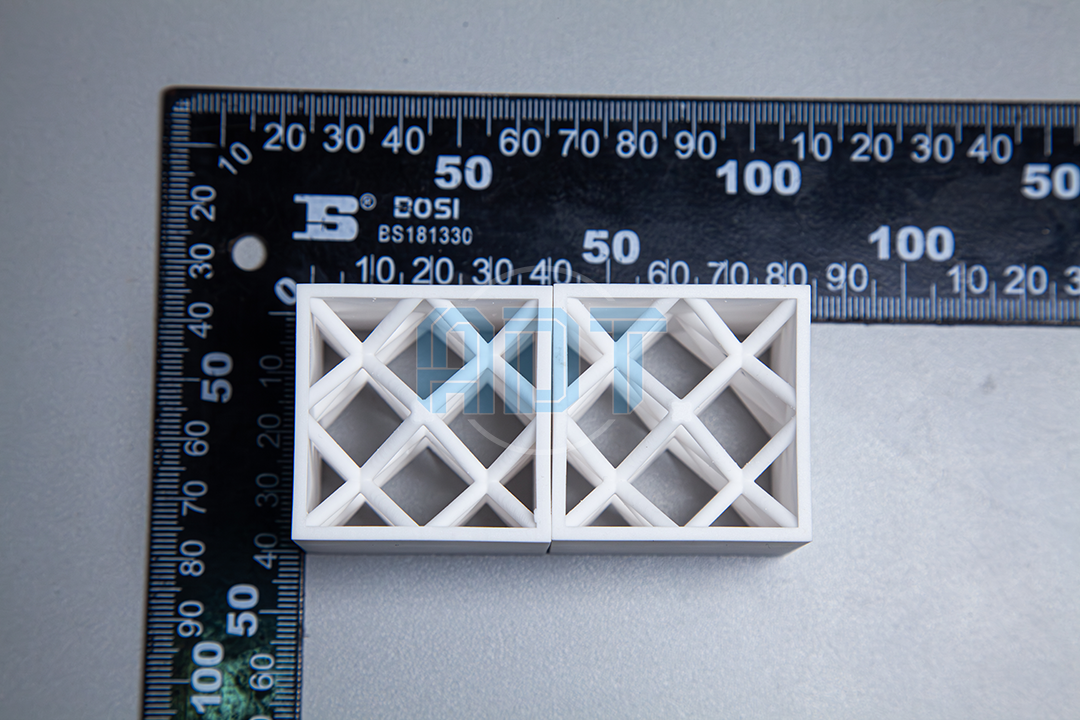
Alumina BCC Lattice Ceramic 3D Printing Case Study for Aerospace Research
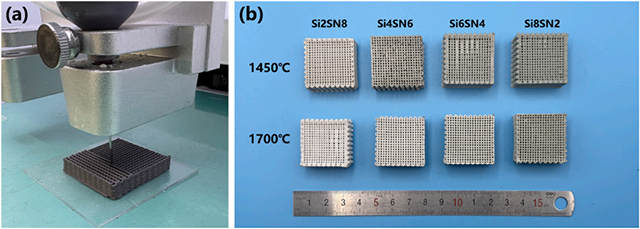
DIW Ceramic 3D Printing Enables Near-Net-Shape Silicon Nitride Implants with <1% Shrinkage
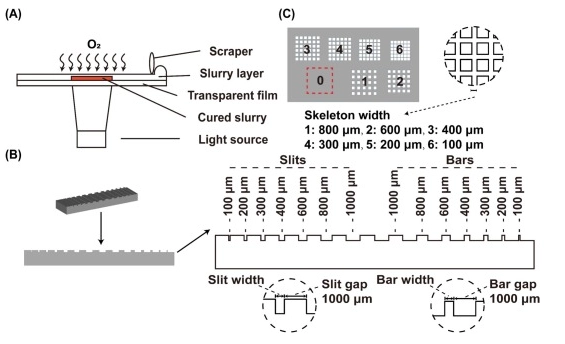
Oxygen Inhibition in DLP Ceramic 3D Printing: Turning a Printing “Defect” into a Sub-500 μm Precision Advantage